How I lead
I build design teams and give them room to own the work.
I'm a product design director with 14 years in design. I joined Hourly, a payroll and workforce management company, as its first designer in 2018, and today I lead its design team as Director of UX.
- Role
- Director of UX, Hourly
- Timeline
- 2018 – Present
- Teams
- Hourly's design team, grown from 1 to 5; as a consultant, five designers on Vanti's design system (2024 – 2026)
- Partnered with
- Product directors, the engineering team and the CEO
- 1 to 5 Designers at Hourly: from just me to five at the peak, and growing again today
- 6 to 70+ People at Hourly, as it grew
- 8 years Leading design at Hourly
In their words
“He's the kind of leader who makes you think, not just follow instructions. Always calm, willing to help, and somehow asking the right questions instead of giving you the answers. A great mentor and a human being.”
“He combines assertive stakeholder communication and a sharp problem-solving mindset with a genuine dedication to elevating the designers around him.”
Test the idea before engineering builds it
I work with product to understand what users and other stakeholders need. Design helps shape the roadmap without deciding it: we look across projects, think ahead and see how a change affects the rest of the app. The team designs the screens, and AI builds prototypes from the design system's interactive components, which match the code one to one. With AI the prototypes come together much faster, so we test our hypotheses on them before the work reaches engineering, then help product break it down for development.
- Needs: Product and I work out what users and stakeholders need.
- Roadmap: We help shape it, checking how a change affects the rest of the app.
- Prototype: The team designs it, AI builds it, and we test our hypotheses on it.
- Breakdown: We help product break the work down for engineering.
Start the system, then keep it
I set up Hourly's first design system and kept it growing with the product. Design governance kept the quality consistent as the team grew. Today I lead its coded library, where engineering and AI build components from the Figma specs.
- Figma spec: Designed and specified in Figma.
- Build: Engineering and AI build it, and I check it against the spec.
- Coded library: Added to the library I lead.
- Screens: Assembled from the library.
Agree on the metric before the design
Every design starts with a purpose and success metrics we agree on up front. We don't redesign something only because it would look better. In onboarding, the goal was a verified customer record before anyone at Hourly had to step in, and the customer's part went from weeks of email to one self-serve session of under five minutes.
- Purpose: A verified customer record before anyone at Hourly steps in.
- Success metrics: Agreed up front, before the design starts.
- Design: Designed to meet the agreed metrics.
- Result: From weeks of email to one self-serve session of under five minutes.
Every designer gets room to grow
Every designer has regular 1:1s and a growth plan. I push them to take the initiative and challenge their own decisions until they hold up.
I handle the meetings so the team can do the work
I take the meetings and the politics, so the team gets long stretches of time to do the work. Designers present their own work to leadership and get the credit for it.
Crits
We run regular crits with clear feedback and a decision at the end. Designers test ideas with the real coded components as well as in Figma.
New tools
I keep testing new tools and AI, and set up custom skills and workflows the team uses.
Accessibility
Contrast and accessible patterns are checked while we design.
How I hire
I look for clear reasoning and how someone takes feedback under pressure.
Role definition
I set the requirements for the level we need (junior, mid or senior), so everyone knows what we are looking for.
Screening
HR runs the first screen, which includes checking English and Spanish, since the role needs both.
First conversation
Thirty minutes to an hour to meet, talk about the company and answer questions. Then I hand over a design challenge sized to the level, with a time frame and acceptance criteria we agree on.
Challenge review
The candidate walks me through their work, and I question a few of their decisions, including good ones, to see how they defend them. It shows how they take feedback and handle pressure.
Decision
I evaluate with other members of the team, then recommend whether we move forward or keep looking.
Case studies
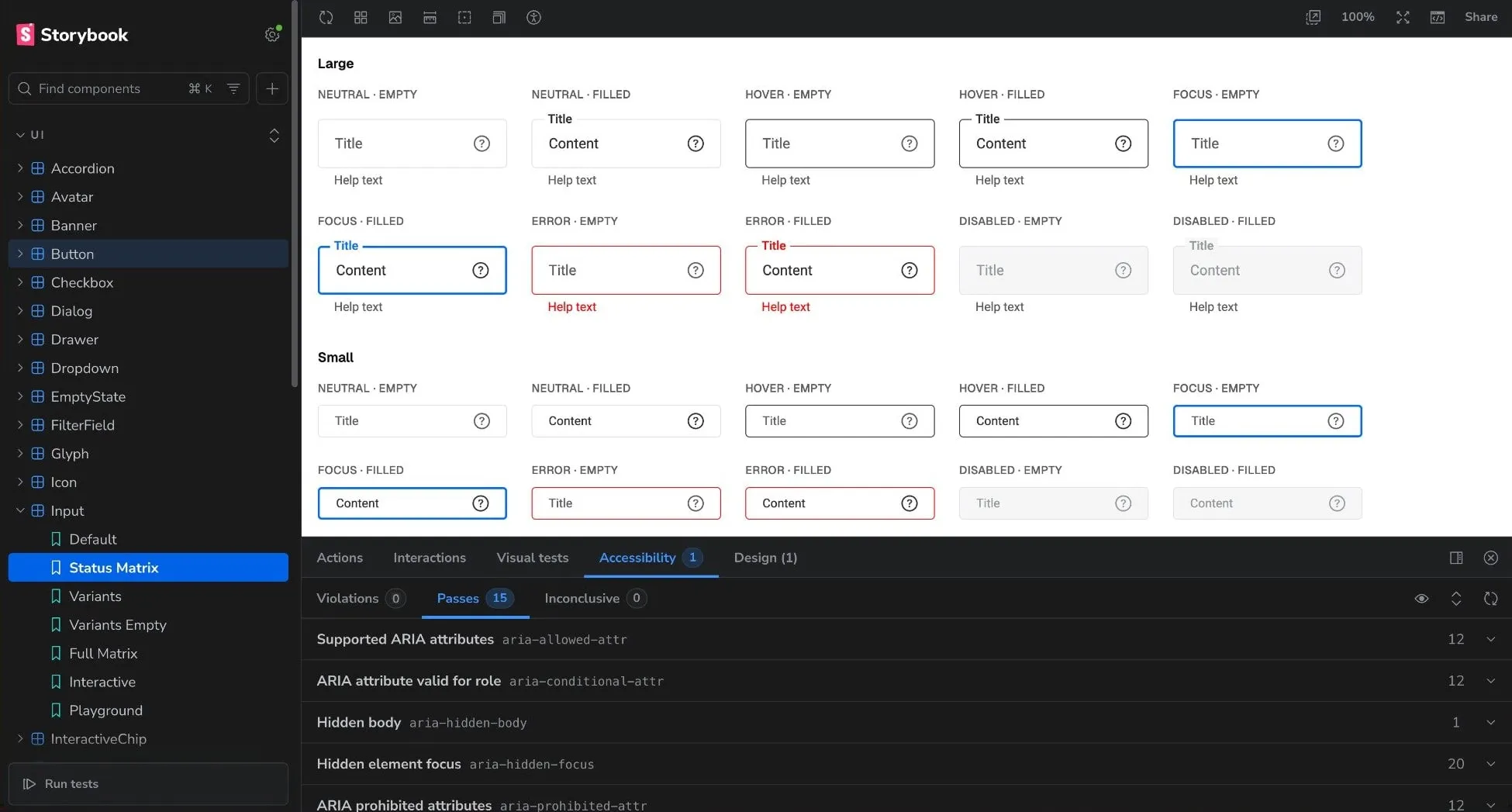
One system for web, iOS and Android, matched one to one in code
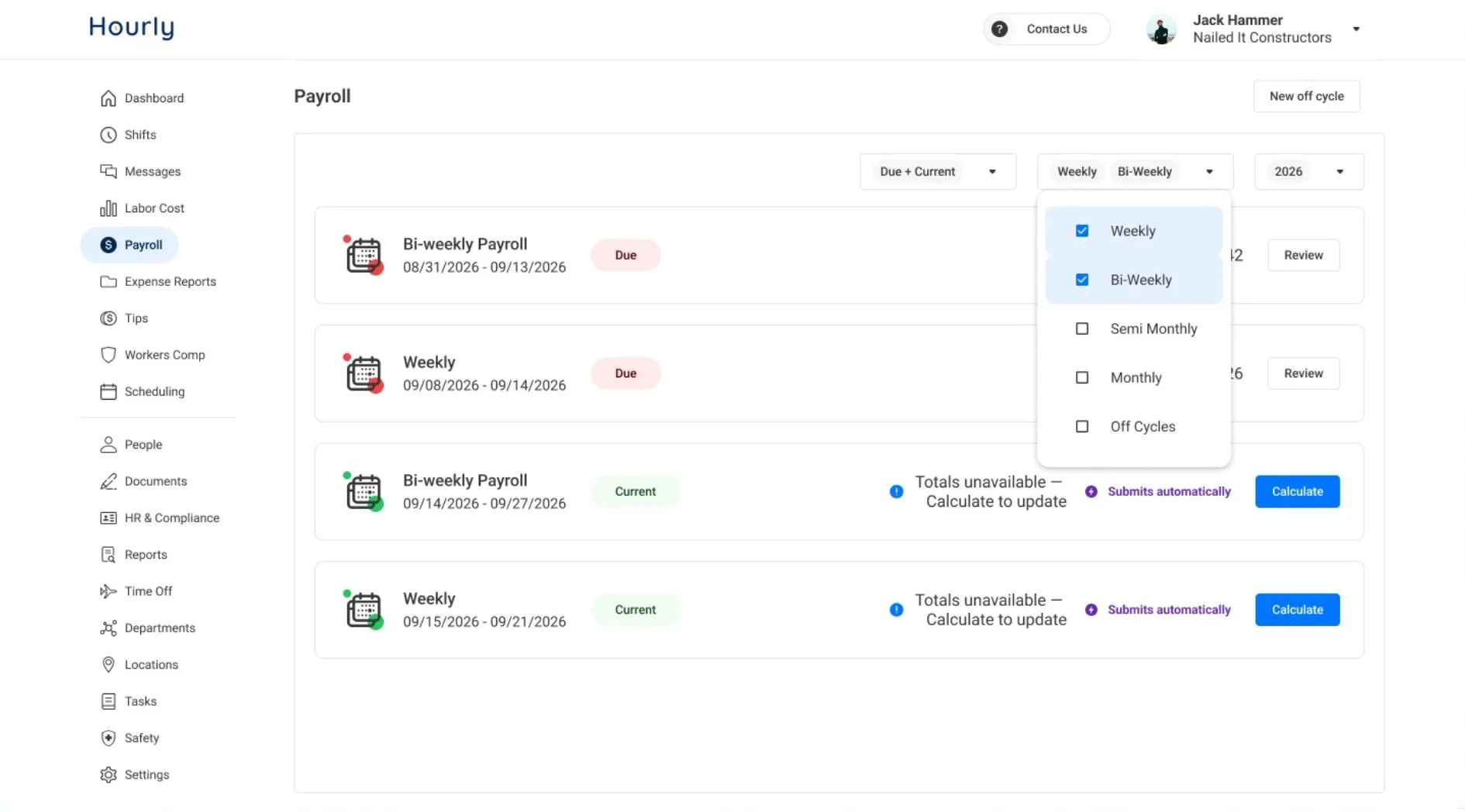
From one locked pay schedule to several, on web and mobile
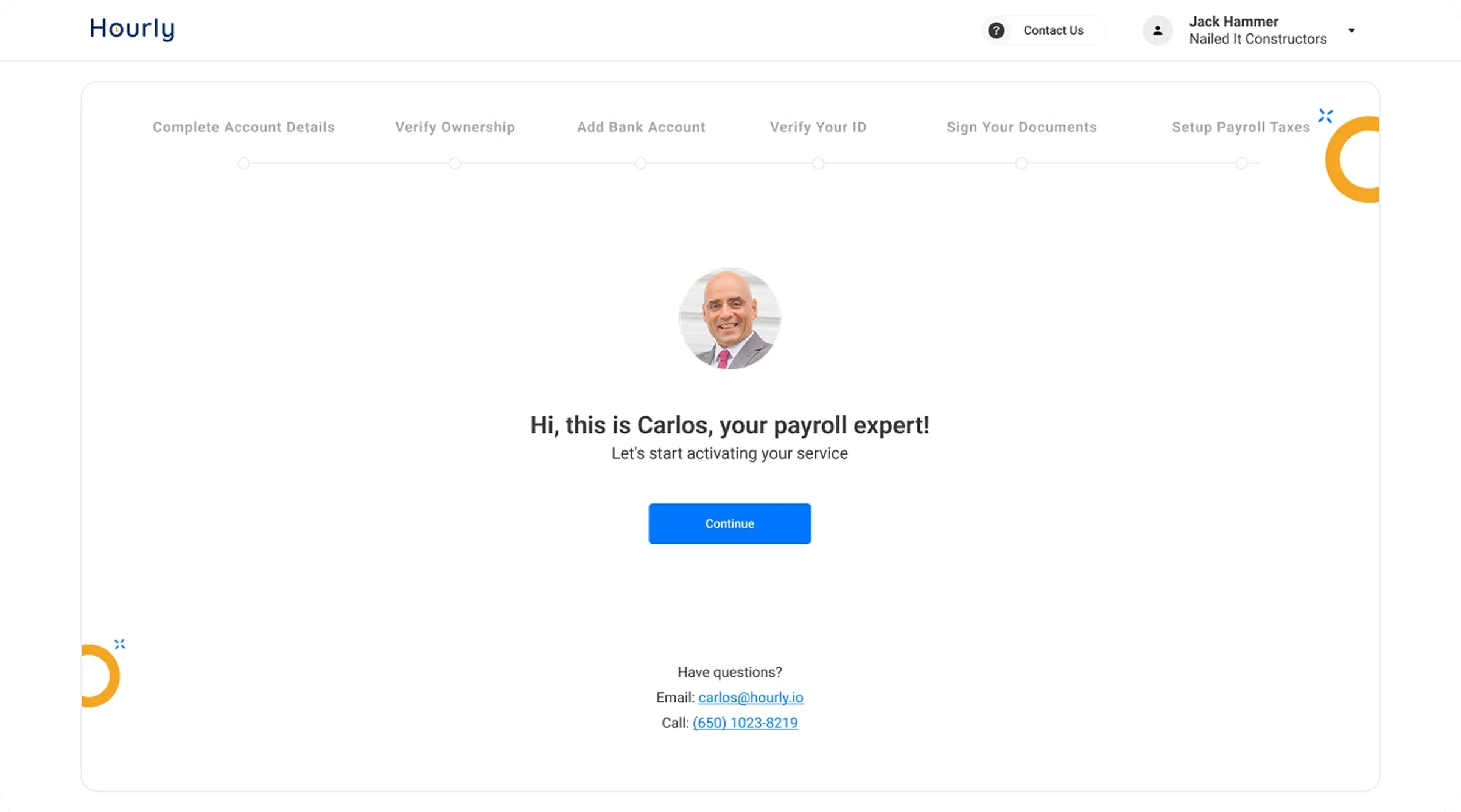
From weeks of email to self-serve in under 5 minutes
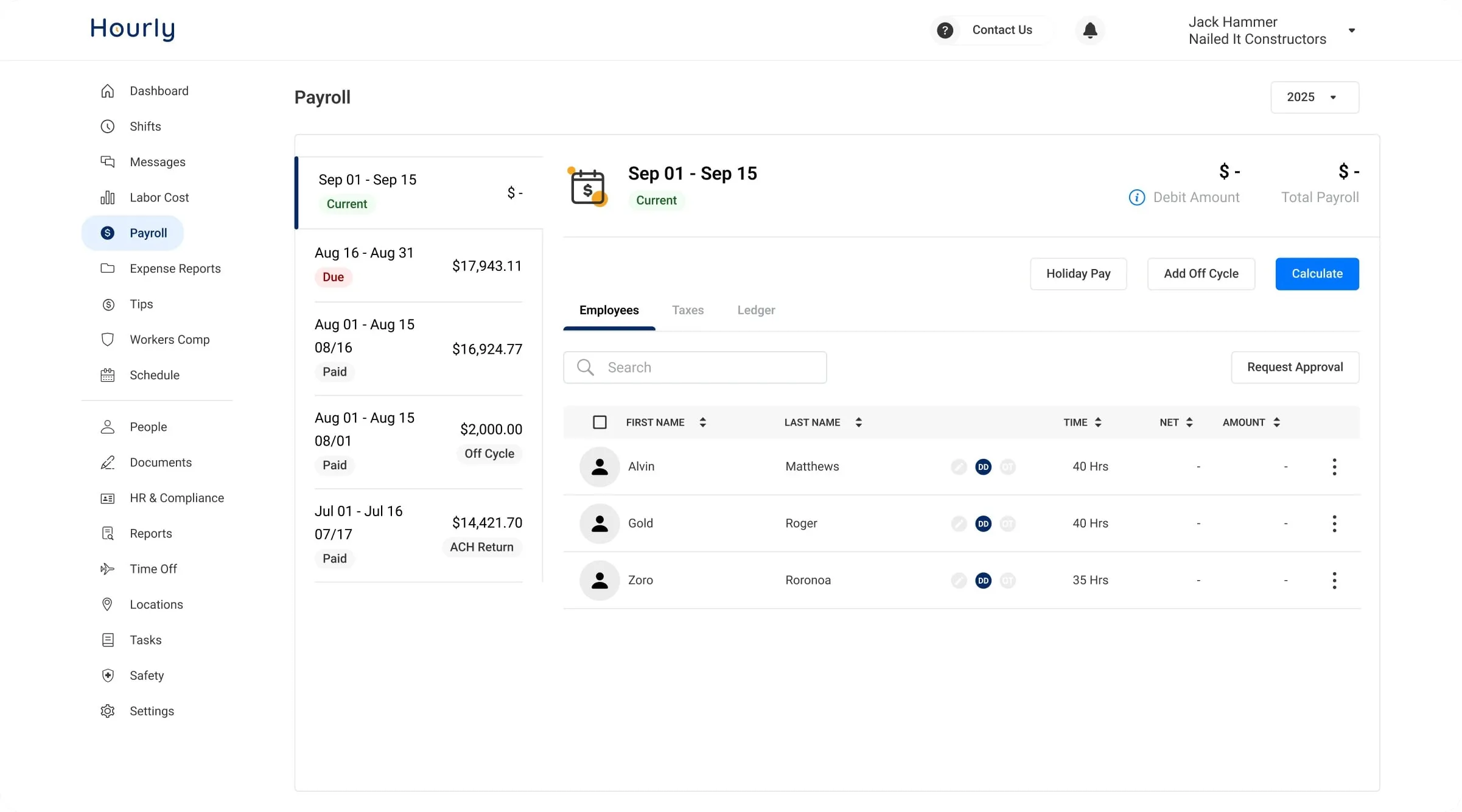
Fewer payroll errors and duplicate runs after launch